“Good Lord Holmes’ how did you know that?”
“Elementary my Dear Watson….”
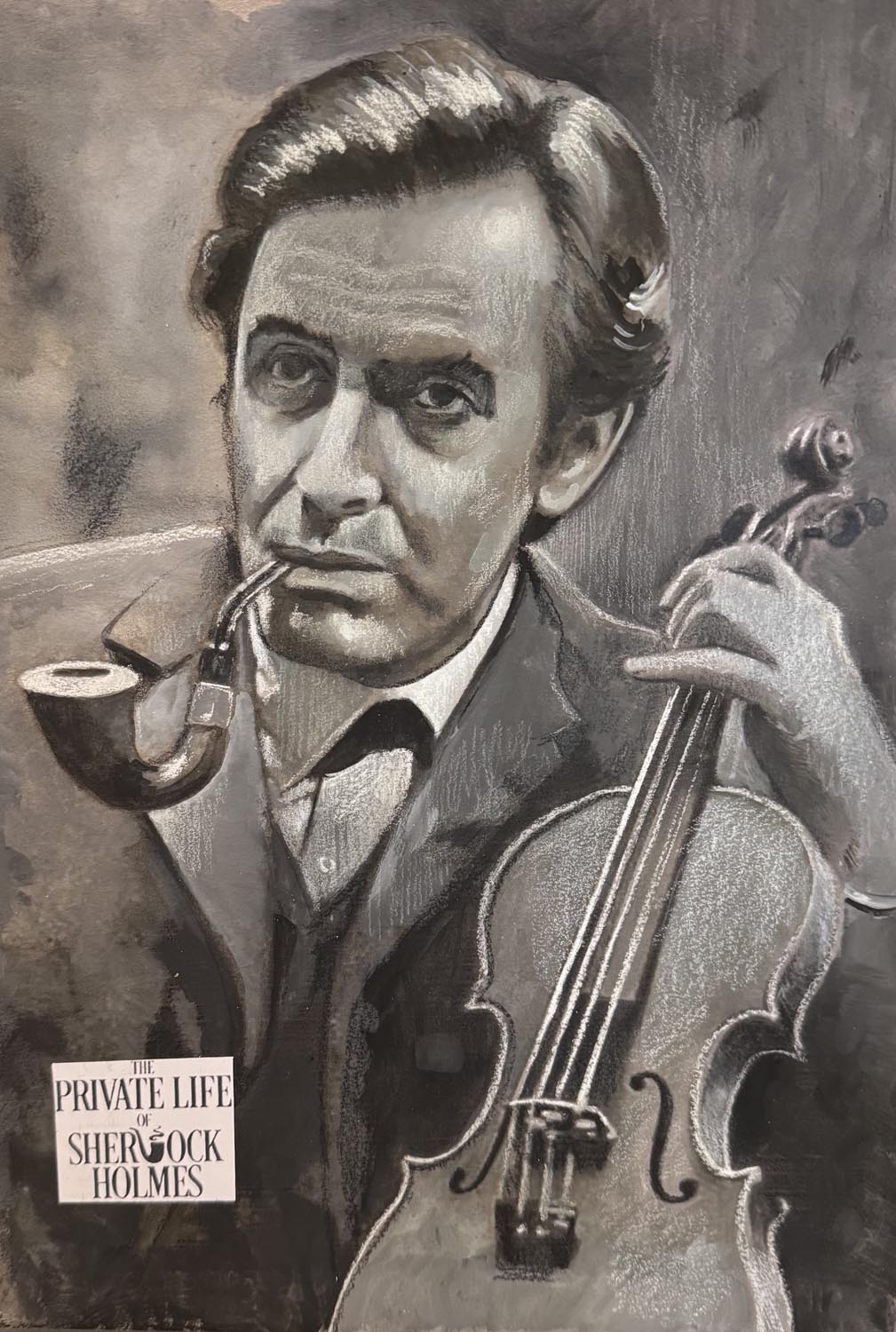
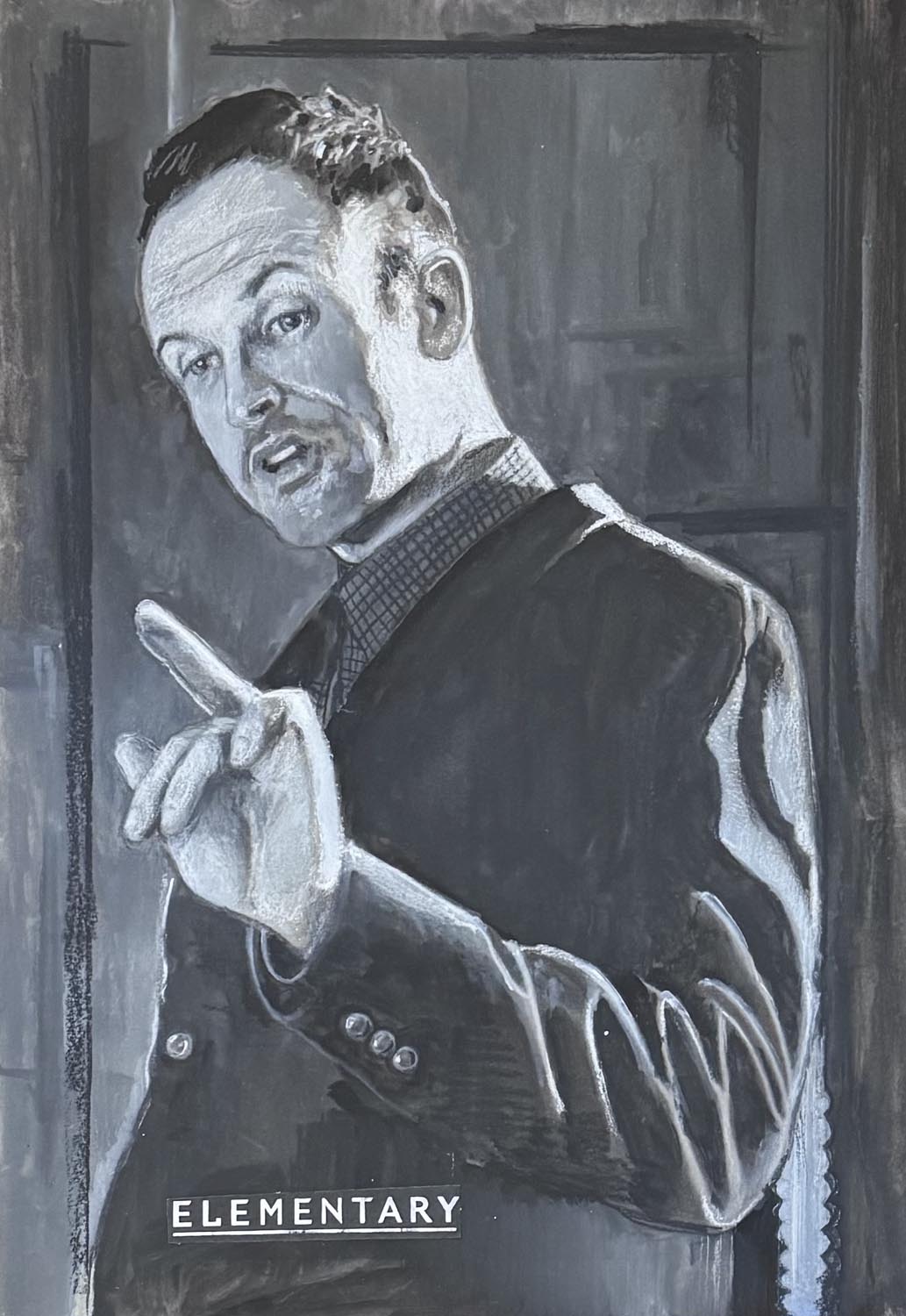
When CBS announced on around 2010 that they were producing a contemporary take on Sherlock Holmes to be relocated to New York, and that Jonny Lee Miller, Sick Boy from Trainspotting would be Holmes and Charlie’s Angel Lucy Liu as Watson, I assumed that they were either insane or intent on offering some form of art house project with limited potential for widespread appeal. On viewing the pilot, it was apparent that the casting was an inspired choice that offered a fresh take on a concept in danger of becoming formulaic. Elementary was given the stamp of approval by viewing audiences from 2012 to 2019 and the legion of Conan Doyle aficionados heaped praise on the show.
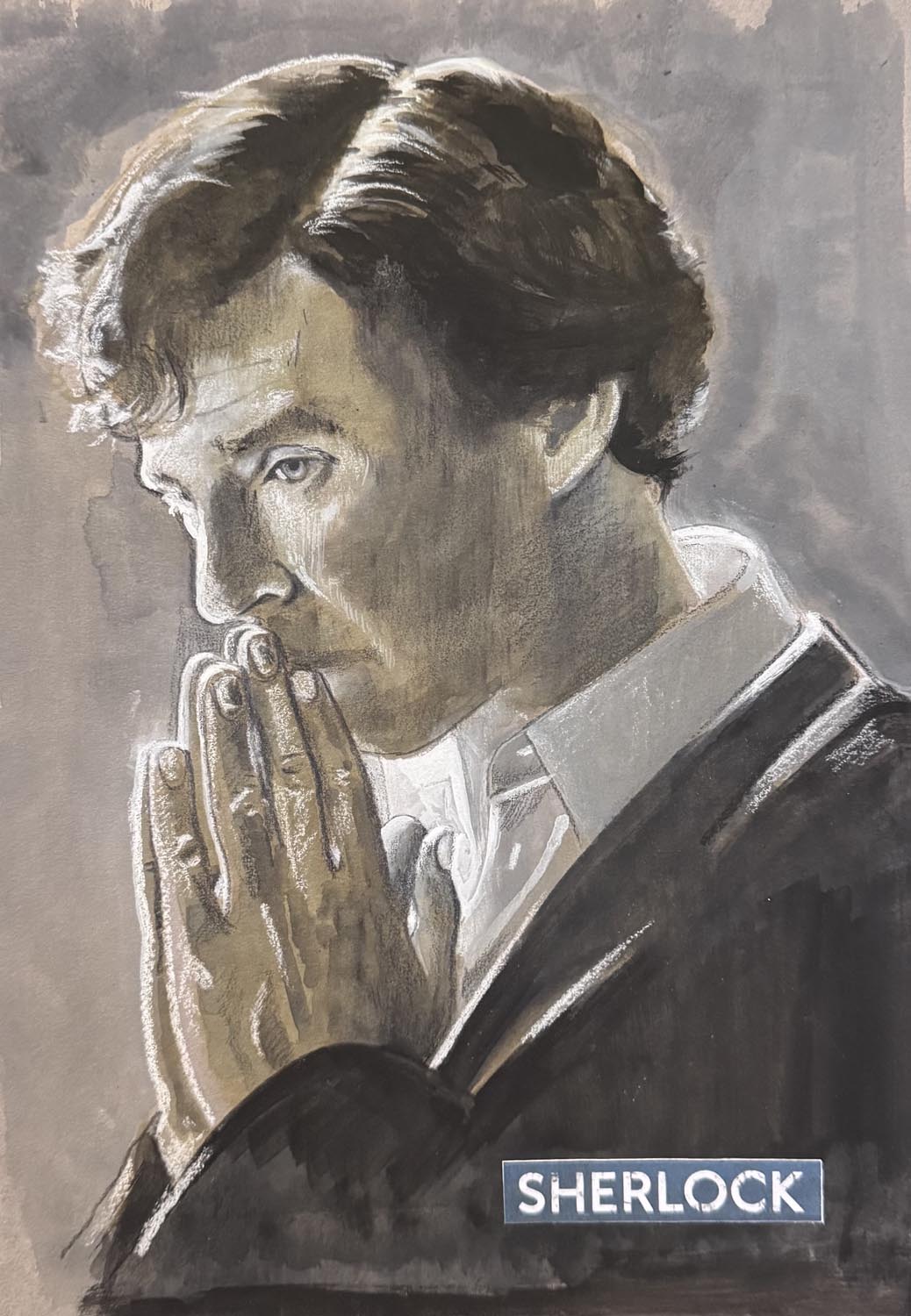
Around the same time, the BBC offered its own contemporary take on the world’s first consulting detective, this time with what many would consider the safer casting of Benedict Cumberbatch as Holmes and Martin Freeman as Watson. Both were excellent and Sherlock offered sublime television, (with perhaps the exception of series 4 which many compared to a second rate Doctor Who episode).
There have been an astonishing number of television and film adaptations of the Holmes character, including an all female Japanese interpretation. Famously, the Soviet television version (The Adventures of Sherlock Holmes and Doctor Watson) was well enough received for the lead actor, Vasily Livanov, to be the recipient of an honorary MBE for his interpretation. Whilst Baker Street looked a tad Slavic, the producers were respectful of the source material.
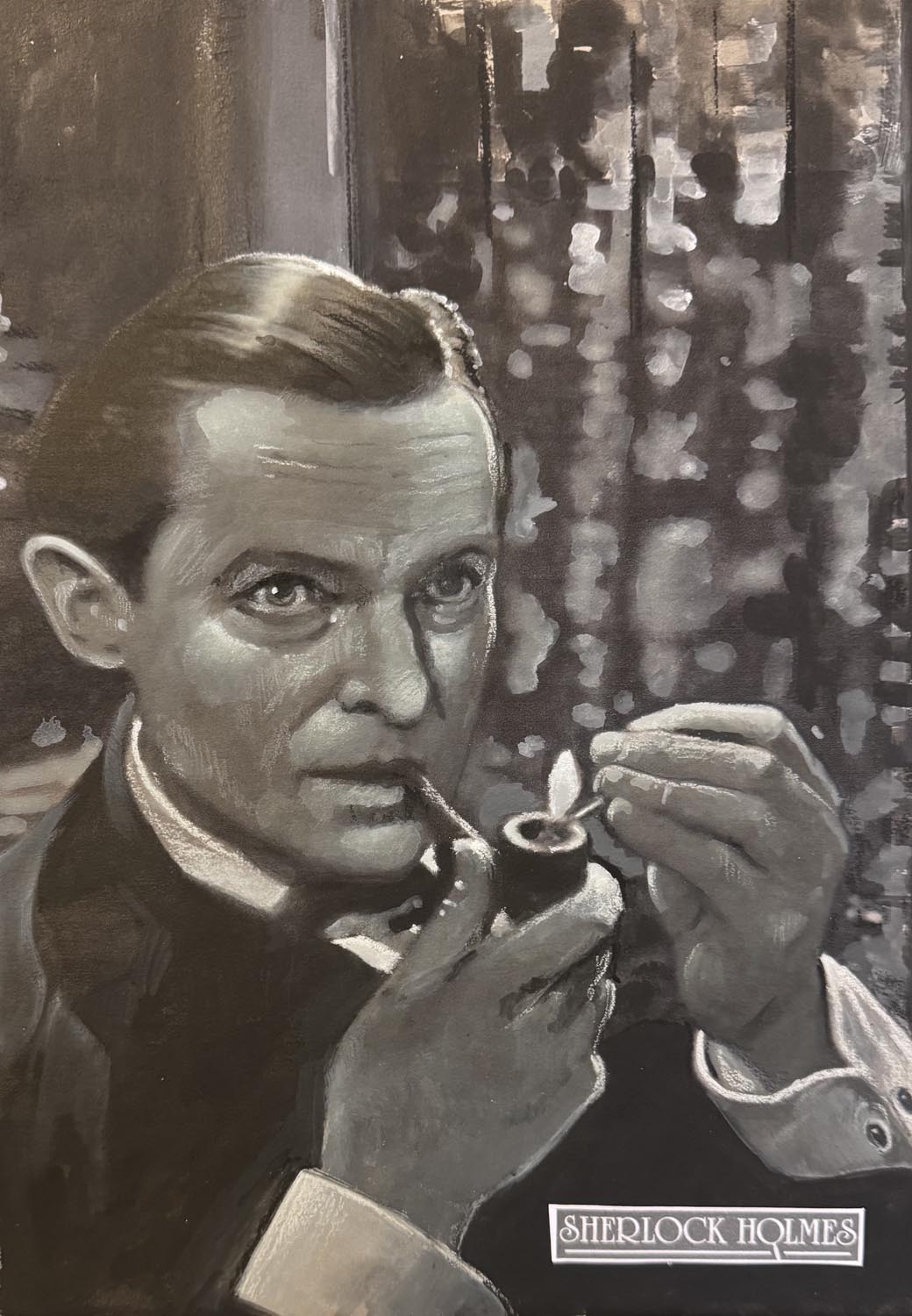
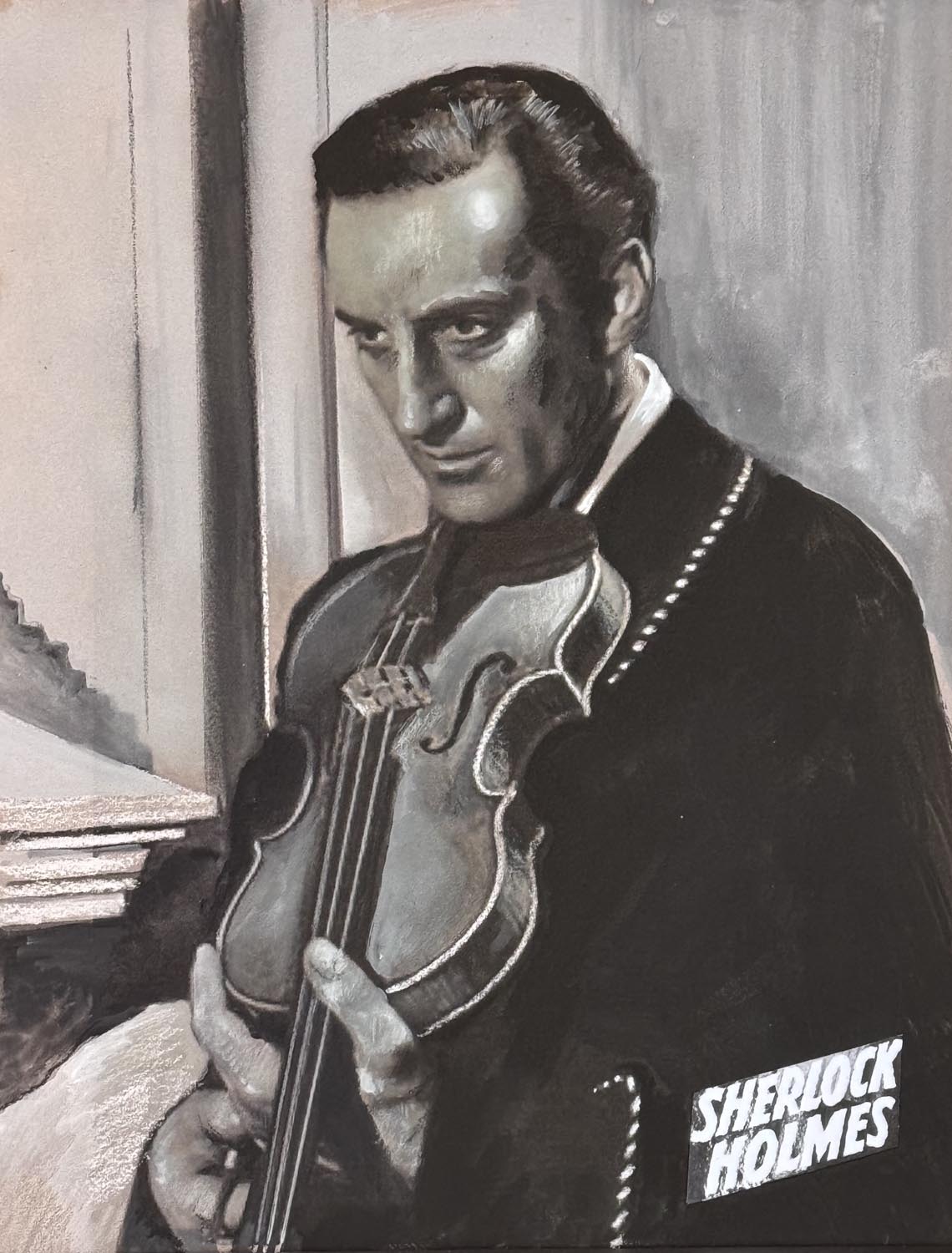
For many, South African born Basil Rathbone with his commanding presence and silky smooth voice offered the classic cinematic Holmes. Rathbone with his tall lean figure, widow’s peak and strong features was closest in appearance to the pipe smoking character depicted in ink and chalk in Sidney Paget’s Strand Magazine illustrations. The role of Sherlock Holmes is regarded as demanding and famously took its toll on the health of the excellent Robert Stephens who tackled the character in Billy Wilder’s 1970 film, The Private Life of Sherlock Holmes (the film was to become a significant influence on the producers of the BBC’s Sherlock). Stephens suffered a breakdown and was reportedly near to suicide, although I suspect that much of this would have been down to Billy Wilder’s pedantry.
Jeremy Brett is widely regarded as the definitive television version and for many, the best interpretation of Holmes. Brett’s energetic and nuanced portrayal, coupled with perfect diction and delivery created classic television.
As in the case of James Bond, the choice of favourite Holmes actor is subjective. Many fine actors have given their own interpretation. There is enthusiasm for the return of Robert Downey Jr. and Jude Law in what will hopefully be Guy Ritchie’s third cinematic Holmes installment. A nod of appreciation should also be given for the depictions offered by Christopher Lee, Peter Cushing, Douglas Wilmer and Ian Richardson.
For me, the following actors offer the most appealing portrayals. The illustrations follow the style of the original Sidney Paget illustrations, using black ink and white chalk diluted with distilled water and, at the artists suggestion, a 7% opiate contribution to the water.
“Note; since writing the above, I have had the opportunity to watch Guy Ritchie’s Young Sherlock. My opinion?
Excellent stuff!”