Career Woman
Professor John H. Sinclair, a distinguished conveyancing scholar at Strathclyde University, once reflected on his early days as a law student in the 1950s. In his year, there were only four women. He and his fellow male students referred to female students simply as “them.” Decades later, he marvelled at the reversal: women now outnumber men in law schools, and, in his view, consistently outperform them. He couldn’t quite explain the shift. I offered a theory—perhaps the women were focused on academic success, while the “little boys,” as he called them, were distracted by pursuit of romance? He didn’t comment, but he did agree that women in Western society have steadily gained ground since the mid-20th century.
Women are more disciplined. Just look at the roads: joggers are overwhelmingly female. Gyms and fitness classes, too, seem to be dominated by women. In commerce, politics, the arts, and literature, women are achieving unprecedented success. The rise of the career woman continues, as many choose to delay or forgo motherhood in pursuit of professional fulfilment.
Jessica Ingram is one such woman.
Like so many, Ms. Ingram transitioned from office to home during the COVID-19 pandemic. In 2025, the aftershocks of that shift are still being felt. Commercial landlords are struggling, pension funds are pinched, and employers are enjoying the cost savings of remote work, enabled, of course, by the digital revolution.
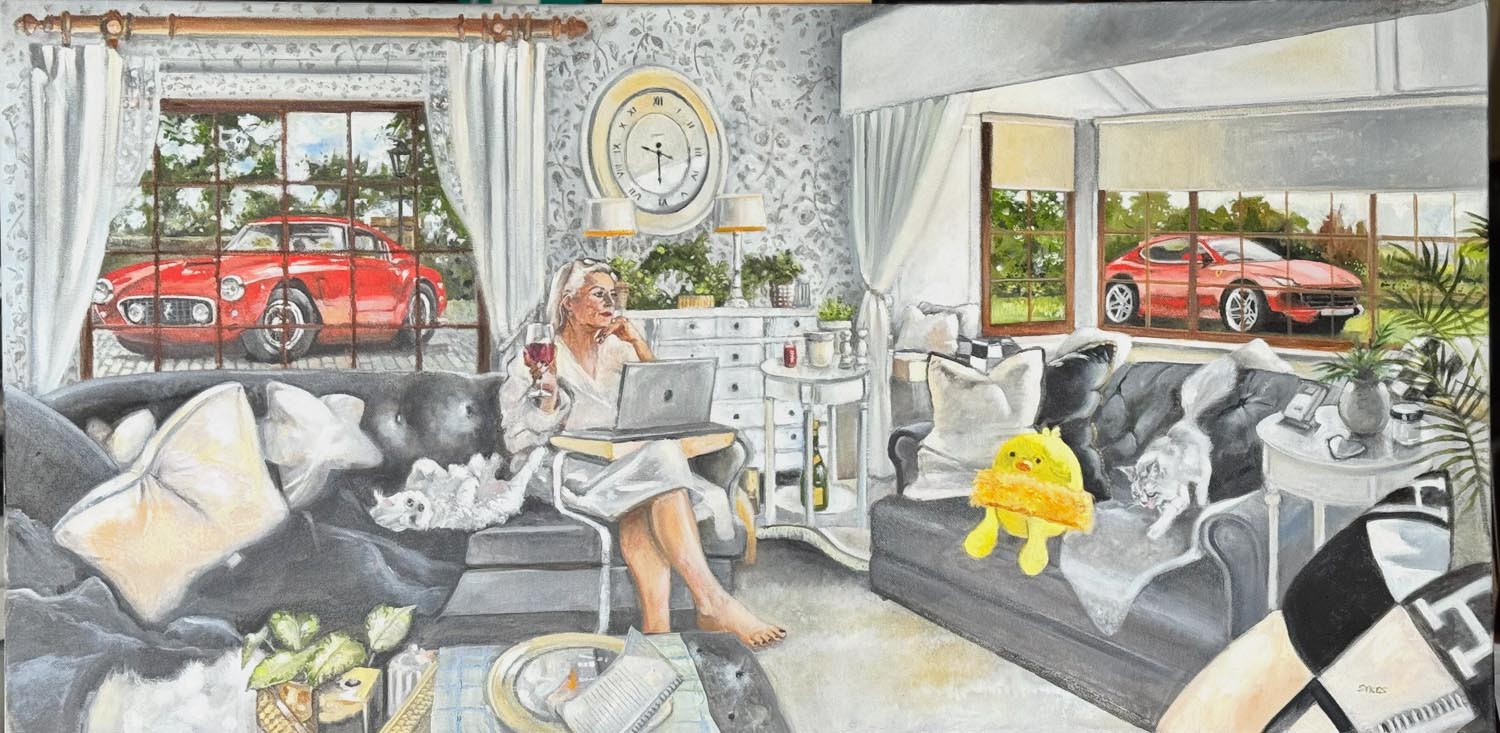
Jessica is a woman of independent means, living life entirely on her own terms. Marriage holds no appeal for her, with its potential constraints and compromises. She does, however, allow a gentleman friend to keep a few items at her home: some clothing, grooming products, and a 1960 Ferrari 250 GT Berlinetta.
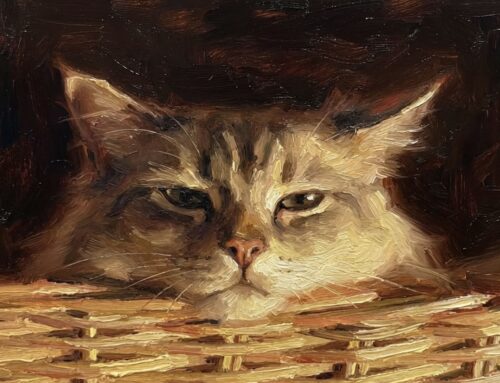
Jessica’s only full-time companions are Garibaldi, a green-eyed silver Tiffany cat, and Norman, her loyal and impeccably attired housekeeper.
Hadleigh Grange, her home, is a reflection of her taste: elegant, curated, and entirely her own. Her art collection consists of original works, not mass-produced prints. Her wardrobe is practical and regularly used; anything unworn is donated. She has no interest in the excesses of reality TV fashionistas with their tiny dogs and oversized egos. Jessica does have a small white dog, Melissa, but she is well-trained and only barks when the front gate bell disturbs the peace.
Jessica’s vehicle of choice is the Ferrari Purosangue, a four-wheel-drive supercar that its manufacturer insists is not an SUV. It is ideal for winter, but lacks the nostalgic charm of the 1960 Berlinetta, which often glides through the Scottish countryside en route to supper at the Loch Fyne Oyster Bar.
Jessica has no need to worry about nappies, school runs, or teenage tantrums. No oven chips, no PTA meetings, no “Bank of Mum and Dad.” Jessica eats when and where she pleases. When she’s not dining out, Norman, her trusted housekeeper, cook, and confidant, prepares her meals. In her experience, gay men are more meticulous in matters of taste, hygiene, and style. Norman has no interest in football scores, kebab shops, or discount lager. He is her man: an excellent cook, a keen gardener (though hopeless with plumbing), and a superb chauffeur. He is also fiercely loyal and often rejects the many attempts by Jessica’s associates to lure him to their employ. Norman has approved of Jessica’s gentleman caller, though he does raise an eyebrow at the man’s moustache wax, which he considers a relic of Victorian villainy.
Jessica has always known what she wants and she’s worked hard to achieve it. She may never experience the maternal bond, but that was her informed choice. Has she any regrets?
That is a question only Jessica Ingram can answer.